
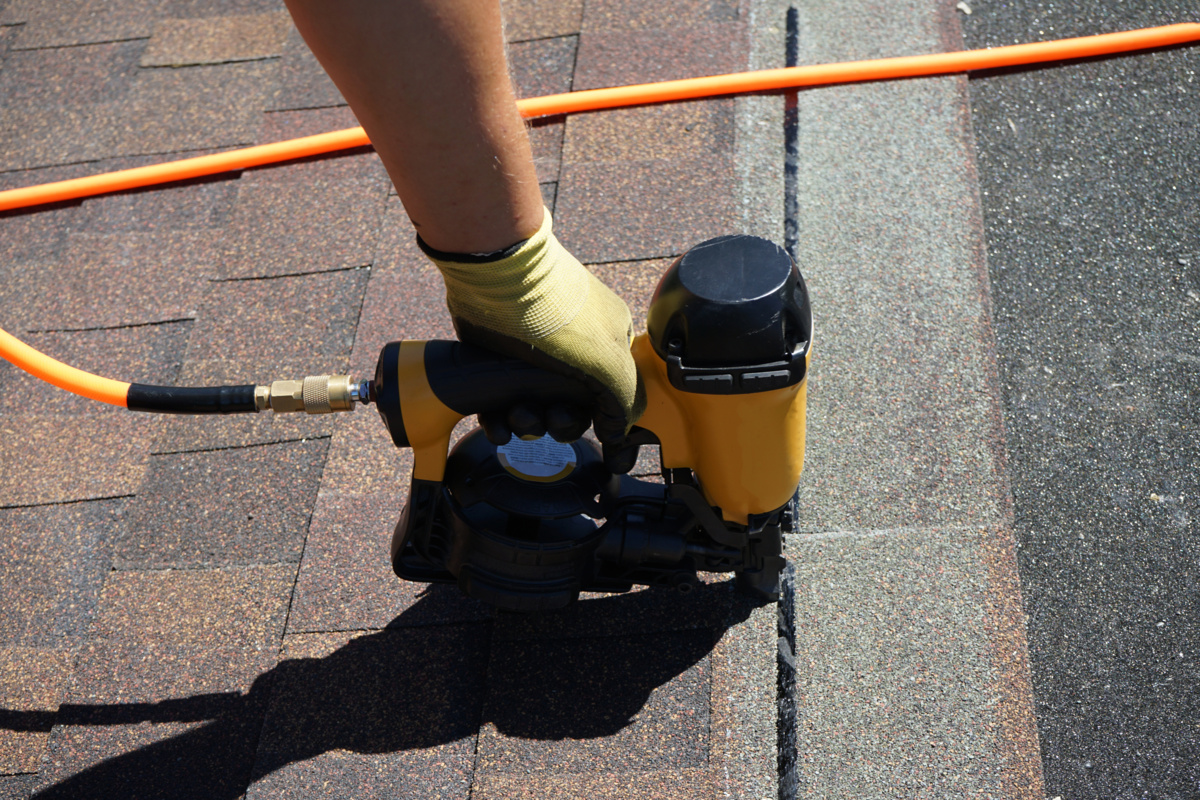
Small shingle failures create structural risk long before interior damage becomes visible. Roof shingle repair is often delayed because early warning signs are difficult to see from the ground, allowing moisture, rot, and insulation damage to develop inside the roof system.
At Peak25 Roofing, we focus on early detection, proper diagnosis, and long-term solutions that protect your roof structure and prevent avoidable repair costs.
Understanding Asphalt Shingle Damage
Asphalt shingles are designed to handle weather, but they still break down under constant exposure and structural stress. Most failures happen gradually, not all at once.
Weather-related damage
Wind can lift shingle tabs and break factory seals. Hail impacts dislodge protective granules and weaken the fiberglass mat. Heavy rain exposes weak seams and flashing gaps.
Installation-related failures
Improper nailing, poor alignment, and skipped underlayment layers create weak points that fail early. These issues often show up years before a roof should normally wear out.
Age and material breakdown
As shingles age, oils dry out, and flexibility decreases. Cracking, curling, and surface splitting become more common as the material loses elasticity.
Ventilation and moisture issues
Poor attic ventilation traps heat and moisture, accelerating deterioration from below. This causes shingles to fail even without storm damage.
High-impact zones
Ridges, valleys, roof edges, and penetrations take the most stress and are usually the first areas to fail.
Pro Tip: Many shingle failures start from ventilation and moisture problems, not just storms.
Signs Your Asphalt Shingles Need Repair or Replacement
Some damage is obvious, but many problems develop slowly. Homeowners should watch for:
- Missing, loose, or flapping shingles
- Granule buildup in gutters
- Bald or dark shingle patches
- Interior ceiling stains
- Damp attic insulation
- Soft or spongy roof decking
- Exposed fasteners and flashing gaps
Early indicators homeowners often miss often appear subtle but signal developing structural risk. Slight color changes in shingles can indicate material breakdown. Uneven roof lines and subtle sagging in roof planes may point to decking or structural stress. Cracking sealant around vents and chimneys often signals moisture intrusion pathways. Catching these signs early allows repairs before structural damage begins.
Repair vs Replacement: How to Know Which Is Right
Choosing between repair and replacement should be based on structure, not just surface appearance.
When a Repair is Structurally Safe
Repairs work well when damage is isolated, the decking is solid, moisture has not penetrated the structure, and the roof system is still within its service life.
When Replacement is the Smarter Investment
Replacement becomes the better option when damage is widespread, repairs repeat in the same areas, decking shows moisture damage, or the roof is near the end of its lifespan.
Cost Logic Homeowners Should Understand
Short-term repairs can be less expensive, but repeated repairs often exceed the cost of a long-term solution. Structural health should guide the decision.
Key Takeaway: A repair solves a local problem. A replacement solves a system problem.
Professional Tools and Materials Used in Proper Shingle Repairs
Quality repairs rely on more than just new shingles. Our team uses:
- Properly matched asphalt shingles
- Ice and water shield barriers
- Synthetic underlayment systems
- Galvanized fasteners
- High-performance sealants
- Code-compliant flashing materials
These components work together to prevent water intrusion and wind damage. Mixing low-grade materials with quality shingles creates weak points that fail under stress.
Need expert help with storm damage? Contact Peak25 Roofing for a free roof inspection and insurance claim consultation.
Step-by-Step: How Asphalt Shingle Replacement Is Done Correctly
Safety and roof preparation
We secure access points, install fall protection, and assess structural stability before work begins.
Removing damaged shingles
Controlled removal prevents damage to surrounding materials and preserves intact sections.
Decking inspection and repair
Any compromised wood is replaced before new materials are installed.
Underlayment installation
Moisture barriers protect the structure, not just the surface.
Shingle placement and sealing
Correct alignment, fastening patterns, and sealing methods prevent uplift and leaks.
Final inspection and testing
Water testing and visual inspections confirm system integrity.
Pro Tip: Installation quality matters more than shingle brand alone.
Common DIY Mistakes That Lead to Bigger Roof Damage
Homeowners often unintentionally make damage worse through:
- Incorrect nail placement
- Improper overlap patterns
- Skipping underlayment repairs
- Temporary patch solutions
- Sealant-only fixes
These shortcuts usually create larger leaks and hidden moisture damage.
When to Call a Professional Roofing Contractor
Professional support is essential when:
- Leaks repeat in the same areas
- Structural warning signs appear
- Shingle failure is widespread
- The roof system is aging
- Code compliance is uncertain
Why Homeowners Trust Peak25 Roofing for Roof Shingle Repair
Our team focuses on long-term performance, not temporary fixes. We provide licensed and insured roofing services, storm damage expertise, insurance claim support, and system-level inspections that protect the structure of your home. Every repair and replacement is built around durability, safety, and workmanship standards that last.
Schedule a Roof Inspection
Whether your roof needs targeted repairs, storm damage assessment, or long-term replacement planning, we provide clear answers and honest recommendations. Our team helps homeowners make confident decisions based on structure, safety, and value.
If your roof shows signs of damage, moisture, or wear, schedule a professional inspection with Peak25 Roofing today and protect your home with expert roof shingle repair.