
Roof lifespan affects maintenance planning, warranty protection, and long-term replacement costs. When evaluating system performance and durability, one of the first considerations is how long a residential roof does last under proper installation, ventilation, and weather exposure. Material quality alone does not determine service life. The full roofing system must perform together to reach its expected lifespan.
How Long Does a Roof Last in Real Conditions
A typical residential roof should last at least 30 to 40 years. That expectation depends on the system you install, the products you choose, and the warranty coverage tied to those products. In some instances, roofs can last 50 to 60 years when the system and product choices support that lifespan.
Roof longevity is not only about shingles on the surface. It depends on how the full roofing system performs over time, including ventilation, and how well the system holds up after weather events.
Why System Quality Drives Roof Lifespan
A roof can last as long as the system and the products you put on it. When the roof is built as a system, the components work together toward long-term performance. That supports the typical 30 to 40 year lifespan and, in some instances, longer service life.
When the roof is improper, the life of the roof can collapse in a short cycle and force early replacement. That is why we focus on building complete roofing systems with products designed to work together.
How Warranty and Product Coverage Affect Service Life
If you do not have the proper warranties or the proper shingles covered, you could be replacing your roof more often than needed. A roof can last as long as the system, warranty, and the products that you put on it, so coverage and product selection should match the performance you expect.
Key Takeaway: Plan for at least 30 to 40 years on a typical roof, then confirm the system, products, and warranty support for that lifespan.
Need expert help with roof life planning? Contact Peak25 Roofing for a free consultation.
What Makes Roofs Fail Early
Early failure is usually tied to conditions that shorten roof life quickly. The biggest drivers are ventilation problems and storm damage from hail or wind. Both can turn a long-term roof into a near-term replacement. That shift is expensive and disruptive, which is why we focus on system quality and clear expectations.
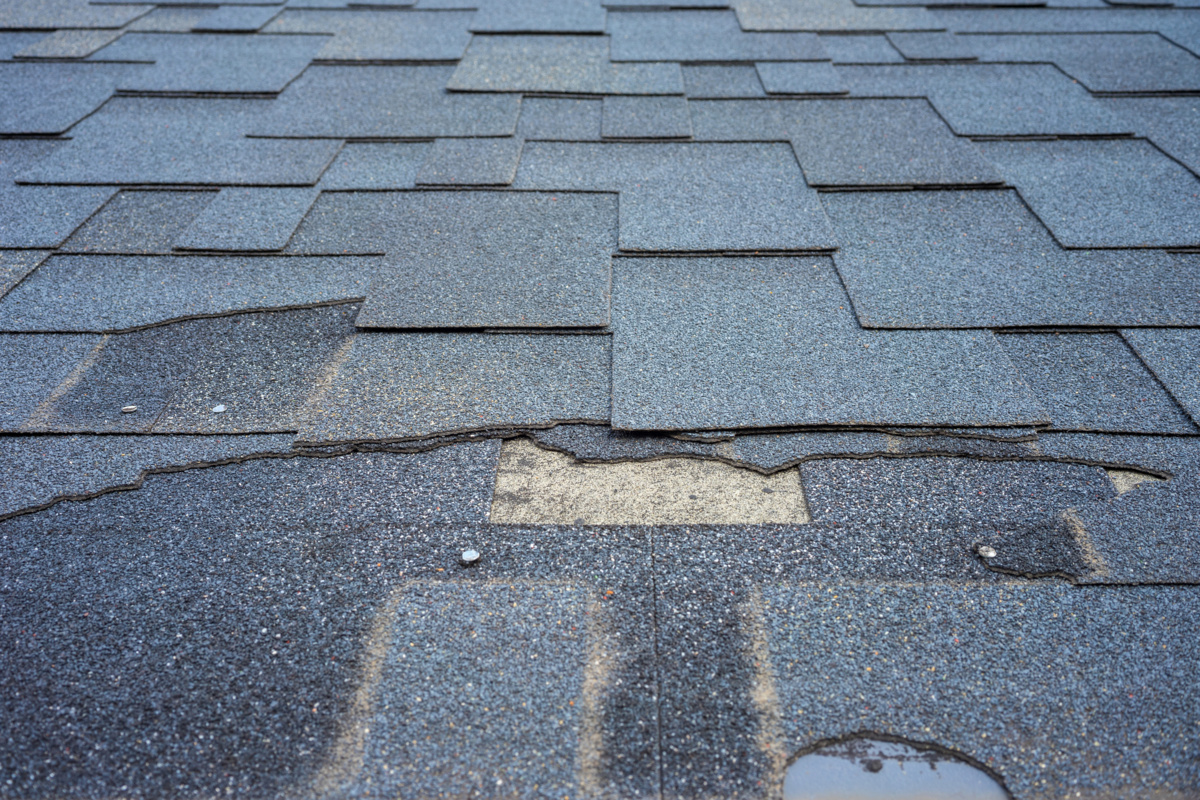
When roofs fail early, the warning signs often show up as surface deterioration and performance issues across the system. Granule loss is a common sign tied to ventilation problems, and severe storms can cause damage that accelerates failure. Both can reduce a roof’s effective life and change your replacement timeline.
How Long Does a Roof Last with Ventilation Problems
Improper ventilation can make a roof fail very quickly. When ventilation is not right, you can start seeing granule loss. Granule loss signals the roof is deteriorating sooner than it should, and it can accelerate the need for replacement.
Ventilation issues are a major concern because they shorten roof life without always showing immediate interior damage. That is why ventilation belongs in the same conversation as shingles, warranties, and the full system build. If you want a roof to last, the system needs to perform the way it was designed to perform.
Storm Damage from Hail or Wind
Roofs can also fail quickly because of hail, wind, and other storm damage. A roof may be on track for a normal service life, then a storm event changes the condition of the system and the replacement timeline. Hail and wind do not just affect appearance. They can shorten service life and lead to earlier replacement decisions.
If you have storm damage concerns, the key is to treat the roof as a system and evaluate what changed. Even a roof that should last decades can shift into early replacement territory after the wrong storm event.
Why Warranties and Covered Products Matter
Roof longevity connects directly to warranty coverage and the products that are covered. If you do not have the proper warranties or the proper shingles covered, you could be replacing your roof more often than needed. Coverage affects how well the system is protected over time.
Roof life ties back to the system, the warranty, and the products installed. Roof longevity is not only about how long shingles can perform in ideal conditions. It also depends on whether the roof system is protected by coverage that matches the products installed and supports the system over its intended lifespan.
Pro Tip: Ask what products are covered and how the warranty supports the full roofing system, not only individual materials.
Our Warranty Approach at Peak25 Roofing
We offer lifetime warranties on our roofing systems backed by the manufacturer. A roof can last as long as the system, warranty, and the products that you put on it. Our goal is to match the system build to the performance you expect and the coverage you need, so you are not forced into avoidable replacements.
If you want a clear answer for your home and a system built to last, schedule a quote with Peak25 Roofing today for your how long does a roof last needs.