

A roof coating can extend the life of a worn flat or metal roof at a fraction of the cost of a tear-off. The wrong coating can peel, fail under ponding water, or void your warranty within a few years.
The best commercial roof coating for your building depends on its slope, its current condition, and Kansas City’s weather. This guide compares silicone, acrylic, and polyurethane so you can make the right call.
What a Roof Coating Can and Can’t Do
How Coatings Protect Your Roof
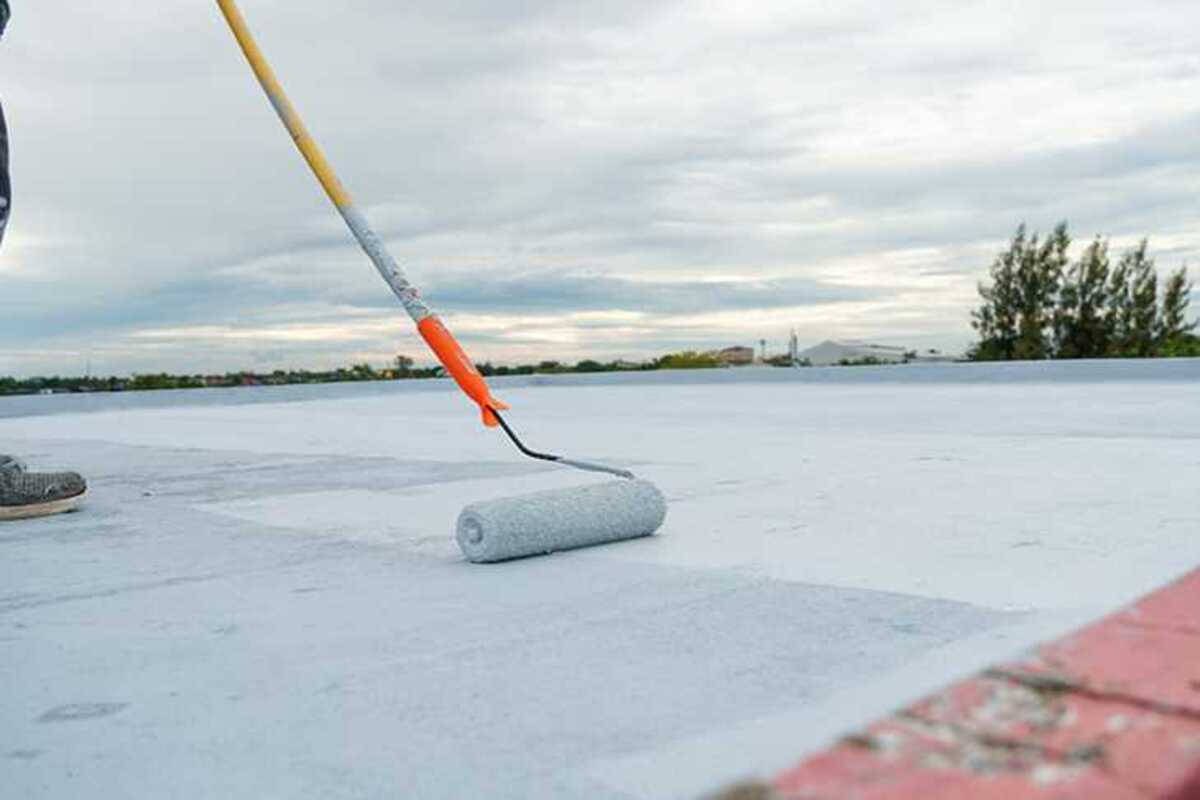
A roof coating is a fluid-applied membrane that cures into one seamless layer over your existing roof. It seals seams and small leaks, blocks UV rays, and reflects heat away from the building.
White reflective coatings also lower roof temperatures and summer cooling bills.
When Coating is the Wrong Choice
A coating cannot fix a roof that is failing underneath. Saturated insulation, a damaged deck, or a membrane splitting across large areas all point toward commercial roof replacement.
Coating over wet insulation traps moisture inside the roof system. That is why our team starts every project with a full inspection and moisture check before we recommend anything.
Key Takeaway: Coatings work best on roofs that are structurally sound and mostly dry. Get an inspection before a coating quote.
Comparing the 3 Main Commercial Roof Coatings
Silicone Roof Coatings
Silicone is our first choice for most flat and low-slope roofs. It holds up under ponding water, which the National Roofing Contractors Association defines as water that stays on the roof more than 48 hours after rain. It also resists UV breakdown and can often go on in a single coat.
The tradeoffs:
- It collects dirt, which slowly lowers reflectivity.
- It gets slippery when wet.
- Very few coatings bond to cured silicone, so future recoats are usually silicone too.
Acrylic Roof Coatings
Acrylic is water-based, affordable, and very reflective. It performs well on metal roofs and sloped roofs that drain quickly.
Acrylic breaks down under standing water. It also needs temperatures of at least 50°F and rising, with no rain or dew until it cures.
Polyurethane Roof Coatings
Polyurethane is the toughest of the three. It suits roofs with heavy foot traffic, crowded mechanical equipment, or regular hail exposure.
Most systems pair an aromatic base coat for strength with an aliphatic topcoat for UV protection. Expect a higher price and a multi-coat application.
| Coating | Best For | Ponding Water | Impact Resistance | Upfront Cost |
| Silicone | Flat and low-slope roofs | Excellent | Fair | Mid to high |
| Acrylic | Metal and sloped roofs | Poor | Moderate | Low |
| Polyurethane | High-traffic or hail-prone roofs | Good | Excellent | High |
Pro Tip: Ask every contractor what dry mil thickness they plan to apply. Manufacturer warranty length is tied to thickness, so a thin coat usually means a shorter warranty.
Matching the Coating to Your Roof Type
Your existing roof material decides which coatings will bond and how much prep the job needs:
- Metal roofs: Both acrylic and silicone work. We treat rust, replace or seal failing fasteners, and reinforce seams before any coating goes down.
- TPO and PVC: These smooth single-ply membranes may need a primer, especially when the membrane is newer. We run adhesion tests on small sections first.
- EPDM: Rubber roofs need a thorough cleaning and often a compatible primer. Skipping this prep is a common cause of peeling.
- Modified bitumen and built-up roofs: Asphalt oils can bleed through and stain a white coating. A bleed-blocking primer prevents it.
- Spray polyurethane foam (SPF): Foam needs a UV-resistant topcoat. Acrylic, silicone, and polyurethane are all common choices.
How to Choose the Best Commercial Roof Coating for Kansas City
Most national guides say to use acrylic in hot climates and silicone in wet or cold ones. Kansas City gets all of it: humid summers that regularly top 90°F, freezing winters, heavy spring storms, and hail.
Spring Storms and Ponding Water
Flat roofs in Lee’s Summit, Overland Park, and Independence often hold water after big spring storms. Acrylic tends to blister and break down in those low spots. Silicone stays stable, which makes it the safer pick for most low-slope buildings here.
Hail and Freeze-Thaw Cycles
Both put repeated stress on roof seams. On hail-prone roofs, we often recommend a thicker build or a polyurethane base coat.
Cold weather also shortens the install season. Coatings need the right temperature and dew point to cure, so we plan most projects for late spring through early fall.
Pro Tip: After a hailstorm, get an inspection before you coat. Hidden membrane fractures need repair first, and the storm damage may be covered by insurance.
What Does a Commercial Roof Coating Cost?
Factors That Drive the Price
The biggest cost drivers are:
- Roof size and how easy it is to access
- Repairs needed before coating (seams, flashings, wet insulation)
- Primers, such as bleed blockers for asphalt roofs
- Total mil thickness and warranty length
- The coating type itself
Choosing the Best Commercial Roof Coating for Your Budget
Compare cost per year of protection instead of the upfront price. Acrylic costs less on day one. On a flat roof that ponds, silicone usually delivers more value because it avoids early failure.
Some owners can treat a coating as a maintenance expense, so ask your tax advisor how it applies to your property.
Need expert help with a commercial roof coating? Contact Peak25 Roofing for a free inspection and consultation.
Coating or Replacement? A Quick Checklist
A coating is likely a good fit when most of these are true:
- The membrane is mostly intact with no widespread splitting.
- Wet insulation is limited to small areas we can cut out and replace.
- Leaks are isolated to seams, flashings, or penetrations.
- The roof deck is solid with no sagging.
If several of these aren’t true, a new roof is usually the smarter long-term spend. We will tell you honestly which side your building falls on.
Our Commercial Roof Coating Process
Every project follows the same steps:
- Inspection and moisture survey
- Power washing to remove dirt, chalking, and debris
- Repairs to seams, flashings, drains, and penetrations
- Primer where the substrate requires it
- Base coat with fabric reinforcement at seams and transitions
- Topcoat applied to the specified mil thickness
- Final thickness check and manufacturer warranty inspection
Key Takeaway: Most coating failures trace back to poor prep. Ask any contractor to walk you through their cleaning, repair, and primer steps before you sign.
Get the Right Coating for Your Building
Silicone fits most flat roofs in Kansas City. Acrylic works well on metal and sloped roofs that drain fast. Polyurethane is the answer for heavy traffic and hail.
The right choice for your building still comes down to its condition, and that starts with an honest inspection. Our team spent a decade with the world’s largest roofing manufacturer, and every project gets a dedicated project manager from start to finish.
Explore our commercial roofing services or see your financing options. Request an instant quote, and we will help you find the best commercial roof coating for your property.