
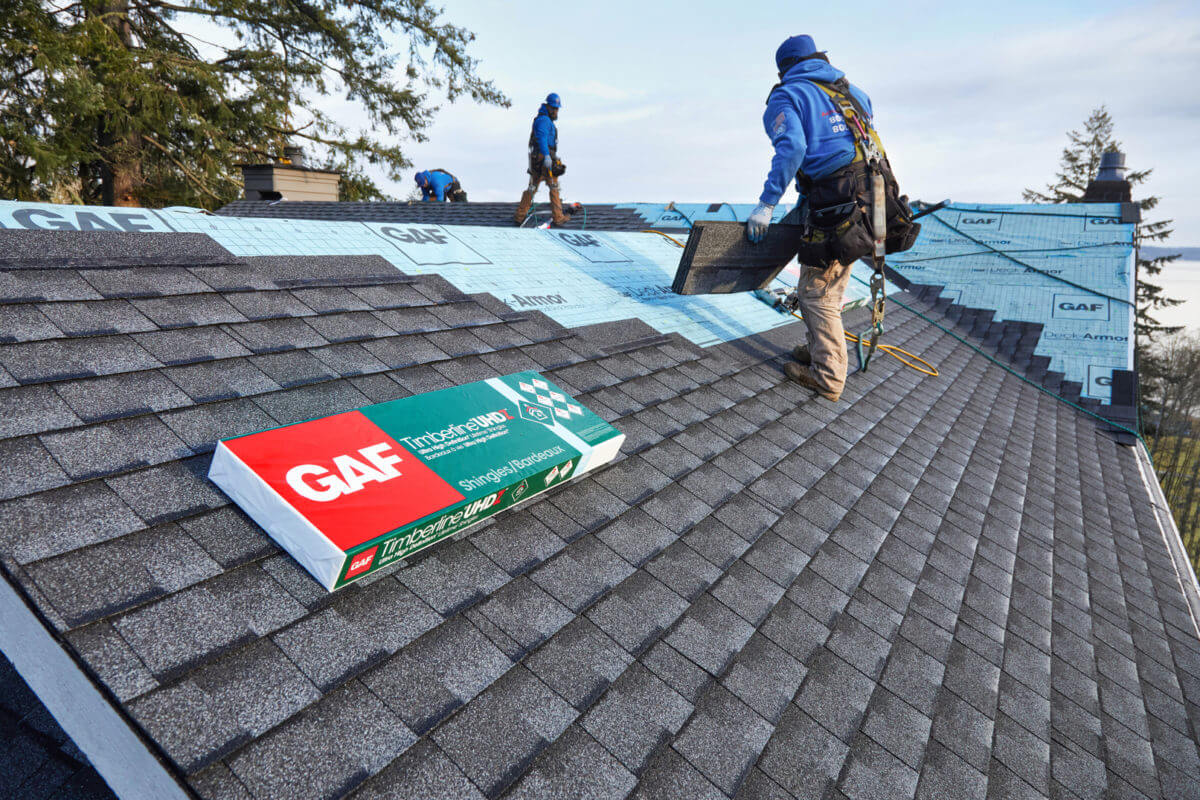
Severe storms often leave homeowners questioning whether their roof is still providing full protection. Wind, hail, and heavy rain can compromise shingles, flashing, and underlying layers in ways that are not always visible from the ground. When damage reaches that level, storm damage roof replacement becomes a practical consideration, not a cosmetic one.
Knowing when repairs are no longer enough helps prevent leaks, structural issues, and costly interior damage that can follow delayed action.
Why Storm Damage Puts Your Entire Roofing System at Risk
Storms rarely damage just one part of a roof. Wind, hail, and water impact multiple layers at once.
How Wind and Hail Weaken Roofing Materials
High winds lift shingles, break seals, and expose fasteners. Hail strips away protective granules that shield shingles from UV exposure and moisture.
Why Water Intrusion Causes Hidden Damage
Water often enters through flashing, valleys, and vents. Once inside, it can soak decking and insulation without visible leaks for weeks.
Why Waiting Increases Long-Term Risk
Moisture trapped in the system accelerates rot, mold growth, and deck failure. Early action limits the scope of work and protects the home.
Key Takeaway: Storm damage often affects layers you cannot see, and untreated exposure leads to larger failures.
Common Types of Storm Damage That Lead to Roof Replacement
Not all damage looks dramatic from the ground, but certain issues signal serious risk.
- Widespread shingle loss across multiple slopes
- Creased or lifted shingles that cannot reseal
- Bent or detached flashing around chimneys and vents
- Saturated decking or attic insulation
Roof age matters as well. Older roofs lose flexibility and resistance, making them more vulnerable during severe weather.
Storm Damage Roof Replacement: When a New Roof Is the Right Call
Some situations make replacement the smarter and safer option.
Damage Percentage Thresholds
When roughly 25 to 30 percent of the roof shows damage, repairs often fail to restore full system integrity.
Structural Concerns Beneath the Surface
Soft decking, sagging areas, or moisture penetration beneath shingles point to system-wide failure.
Repeated Repairs After Past Storms
Multiple repairs across seasons usually indicate the roof has reached the end of its service life.
Pro Tip: Insurance carriers often favor replacement when damage is widespread and documented by a professional inspection.
Need expert help with storm-related roofing decisions? Contact Peak 25 Roofing for a free inspection and consultation.
Repair vs. Replacement After a Storm: How to Decide
Choosing the right path protects both your home and budget.
When Repairs May Be Appropriate
- Damage is isolated to a small, defined area
- The roof is relatively new
- No decking or insulation issues are present
Why Replacement Offers Long-Term Value
A full replacement restores all layers, improves wind resistance, and resets manufacturer warranties.
Why Partial Repairs Can Fall Short
Patched areas may fail again under future storms, leading to repeated costs and ongoing risk.
Why Professional Roof Inspections Matter After a Storm
Accurate assessments require more than a quick visual check.
What Our Inspections Include
- Surface evaluation for wind and hail impact
- Flashing and penetration checks
- Decking and attic moisture assessment
Why Documentation Matters
Photos, measurements, and written reports support insurance claims and clarify repair versus replacement decisions.
Key Takeaway: Professional inspections protect homeowners from missed damage and disputed claims.
Cost Factors for Roof Replacement After Storm Damage
Pricing depends on several variables.
- Roof size and pitch
- Material selection and impact ratings
- Deck repairs or ventilation upgrades
Replacement often costs more upfront, but it reduces ongoing repair expenses and improves long-term protection.
Choosing Storm-Resistant Roofing Materials
A roof replacement after storm damage is also a chance to improve how the system performs during future storms. Modern materials are designed to handle higher wind speeds, heavier rain, and repeated weather exposure.
Impact-Resistant Shingles
Impact-resistant shingles are built to withstand hail and flying debris with less surface damage. They hold granules better and reduce the chance of cracking during severe storms.
Enhanced Wind Ratings
High wind-rated roofing systems use stronger seal strips and fastening patterns to prevent shingle lift. Proper installation helps the roof stay intact during strong gusts and wind-driven rain.
Moisture Protection Upgrades
Upgraded underlayment adds protection if shingles are compromised during a storm. Improved ventilation helps prevent trapped moisture that can lead to rot or mold over time.
Acting Quickly After Storm Damage Protects Your Home
Timely response prevents secondary damage.
- Stops moisture spread
- Supports insurance timelines
- Preserves interior finishes
Delays often lead to higher repair costs and coverage complications.
Schedule a Professional Storm Damage Roof Inspection
Our team helps homeowners move forward with confidence. We provide clear assessments, honest recommendations, and skilled installation backed by proven experience. When replacement is the right solution, we guide the process from inspection to completion.
Protect your home and avoid ongoing repairs by scheduling an inspection today and taking the next step toward a reliable storm damage roof replacement.