

Roof tarping after a storm is the quickest way to keep rain out of a damaged home. A secured tarp covers missing shingles, punctures, and torn flashing until permanent repairs can begin.
It also protects your insurance claim. Most homeowners policies expect you to prevent further damage once the storm passes. We explain when a tarp is needed, who should install it, how long it lasts, and what comes next.
When Your Home Needs Roof Tarping After a Storm
Not every storm-damaged roof needs a tarp. The deciding question is simple: can water reach the roof deck or the inside of your home?
Damage That Calls for a Tarp
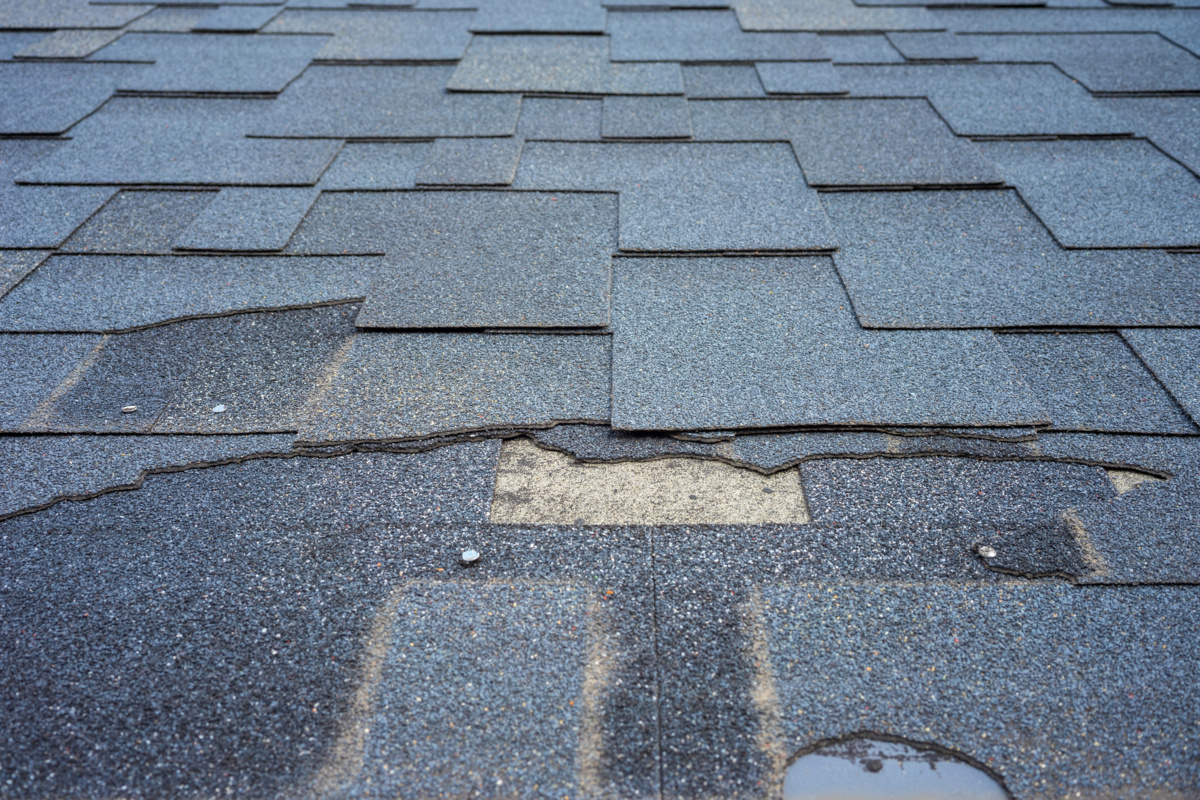
- Missing shingles that leave underlayment or bare decking exposed
- A hole or puncture from a fallen tree limb
- Torn or lifted flashing around a chimney or wall
- An active leak, ceiling stain, or dripping light fixture
Damage That Usually Does Not Need a Tarp
- Light hail bruising on shingles
- A few lifted shingle tabs with no exposed decking
- Dented gutters or downspouts with no leak inside
Have these checked during a professional inspection instead.
Key Takeaway: If water can reach the decking or is already inside, plan to have the roof tarped within 24 to 48 hours.
Why Fast Tarping Protects Your Home and Your Claim
Water Damage Spreads Quickly
Rainwater soaks into insulation, drywall, and roof decking within hours. Mold can begin growing in 24 to 48 hours, and wet decking can soften and rot.
A small opening in the roof can turn into a much larger interior repair after just one more rainstorm.
Roof Tarping After a Storm and Your Insurance Policy
Most homeowners policies require you to take reasonable steps to prevent further damage after a covered loss. This is often called the duty to mitigate.
If you leave an opening uncovered and water damages the ceiling a week later, your insurer may refuse to pay for that added damage. A timely tarp shows you acted responsibly. Our guide on the most common reasons roof claims get denied covers other mistakes to avoid.
Safety First: Who Should Tarp Your Roof
A wet, damaged roof is one of the most dangerous places to stand. Leave the climbing to a trained crew with safety gear.
Stay Off the Roof When
- Wind, lightning, or rain is still active
- The surface is wet, icy, or frosted, which is common in Kansas City from November through March
- Your home is two stories or taller
- The roof is steeper than a 4:12 pitch
- The deck feels soft or looks like it is sagging
What You Can Safely Do From the Ground
- Photograph the damage from the yard using your phone’s zoom
- Place buckets and towels under active drips
- Move furniture, electronics, and valuables away from wet areas
- Shut off power at the breaker if water reaches light fixtures or outlets
Pro Tip: If you check the attic for leaks, step only on the joists and bring a flashlight. Wet insulation can hide soft drywall that gives way underfoot. Read when a roof leak becomes an emergency for signs that need same-day attention.
What a Proper Storm Damage Roof Tarp Looks Like
Knowing what good work looks like helps you judge whoever installs your tarp.
The Right Materials and Coverage
A strong emergency roof tarping job uses a heavy-duty, UV-resistant tarp at least 6 to 12 mil thick. It should extend 3 to 4 feet past the damaged area on every side.
The top edge should drape over the ridge so water cannot run underneath. The edges are then secured with 2×4 boards screwed through the tarp into the roof.
Signs of a Poor Tarp Job
- Edges flapping in light wind
- Water pooling on top of the tarp
- A tarp that stops short of the ridge
- Sandbags or bricks as the only anchors
If you notice any of these, ask the installer to fix it before the next rain.
How Long Can a Tarp Stay on a Roof?
A well-installed tarp typically lasts 30 to 90 days. Kansas City conditions often push that toward the shorter end.
Strong spring winds lift the edges. Summer sun breaks down the material, and winter ice and snow add heavy weight.
Key Takeaway: A tarp is a holding step. Check it after every storm and schedule permanent repairs within the first few weeks.
Does Insurance Cover Emergency Roof Tarping?
When the damage comes from a covered event like hail or wind, most policies pay for reasonable emergency repairs, including tarping. Coverage varies, so review your policy or call your agent.
To support your claim, keep:
- Dated photos of the damage before and after tarping
- The invoice or receipt for the tarp work
- A record of when the storm happened and when you found the damage
Learn more in our post on what roof damage homeowners insurance actually covers.
Storm damage on your roof?Contact Peak25 Roofing for a free 25-Point Inspection.
What Happens After the Tarp Goes Up
A tarp only covers the damage you can see. These next steps protect your home and keep your claim on track.
- Get a full inspection. Hail and wind often cause damage that cannot be seen from the ground.
- File your claim. Include your photos and the inspection report.
- Meet the adjuster. Ask your roofer to attend and point out every issue.
- Repair or replace. The extent of the damage decides which one makes sense.
Repair or Full Replacement?
Localized damage on a newer roof can often be repaired. Widespread hail damage or an older roof usually points to replacement. Our roof repair vs. replacement guide explains how we make that call.
Watch Out for Storm Chasers
After big storms, out-of-town crews knock on doors offering a quick tarp in exchange for a signed contract. Never sign a full roofing agreement just to get a tarp installed.
Review these red flags when hiring a roofer after a storm before you commit to anyone.
Pro Tip: Work with a local roofer who has a physical office and verifiable reviews. You want them around when warranty questions come up years later.
Get Expert Help With Storm Damage
Get the roof covered quickly, stay off it yourself, document everything, and move on to permanent repairs before the tarp wears out. Those steps protect both your home and your insurance claim.
Our storm restoration team is based in Lee’s Summit and serves homeowners across the Kansas City metro. Call (816) 524-5100 or schedule your free inspection, and we will help you plan every step that follows roof tarping after a storm.