

Roof replacement is a major investment, and most homeowners want to know the cheapest time to get a new roof before scheduling the project. Roofing costs change throughout the year based on contractor demand, weather conditions, and material pricing. Choosing the right season can help you save money and avoid long scheduling delays.
When is the Cheapest Time to Get a New Roof?
The timing of your project can influence the final price of a roof replacement. Roofing demand increases during certain parts of the year, which affects labor availability, material pricing, and contractor schedules.
Late Fall and Early Winter Often Offer the Best Pricing
Late fall and early winter typically provide the best opportunity to save on a roof replacement. Roofing companies often experience lower demand after the busy summer season ends.
During this time:
- Contractor schedules are more flexible
- Labor demand decreases
- Roofing companies may offer seasonal discounts
Homeowners who plan ahead can take advantage of these conditions and schedule projects before winter weather becomes severe.
Why Spring and Summer Roofing Projects Cost More
Spring and summer are the busiest months for roofing companies. Storm damage repairs, insurance claims, and home improvement projects all increase during this time.
Higher demand can lead to:
- Longer scheduling wait times
- Increased labor costs
- Higher material demand
For many homeowners, waiting until the off-season can provide better value and faster scheduling.
Why Roofing Costs Change Throughout the Year
Roof replacement pricing does not stay constant. Several factors affect roofing costs, depending on the time of year.
Contractor Scheduling and Labor Demand
Roofing crews often operate at full capacity during peak seasons. When schedules fill quickly, pricing may increase due to higher labor demand.
In slower seasons, contractors may have greater flexibility to schedule projects and offer competitive pricing.
Roofing Material Supply and Price Changes
Material costs also fluctuate throughout the year. Roofing manufacturers adjust production based on demand and supply chain conditions.
Common factors affecting roofing material pricing include:
- Seasonal demand for shingles
- Manufacturing and transportation costs
- Regional construction activity
Planning your project before peak construction season can help avoid price increases.
Weather Conditions That Affect Installation
Weather plays a major role in roof installation quality and scheduling.
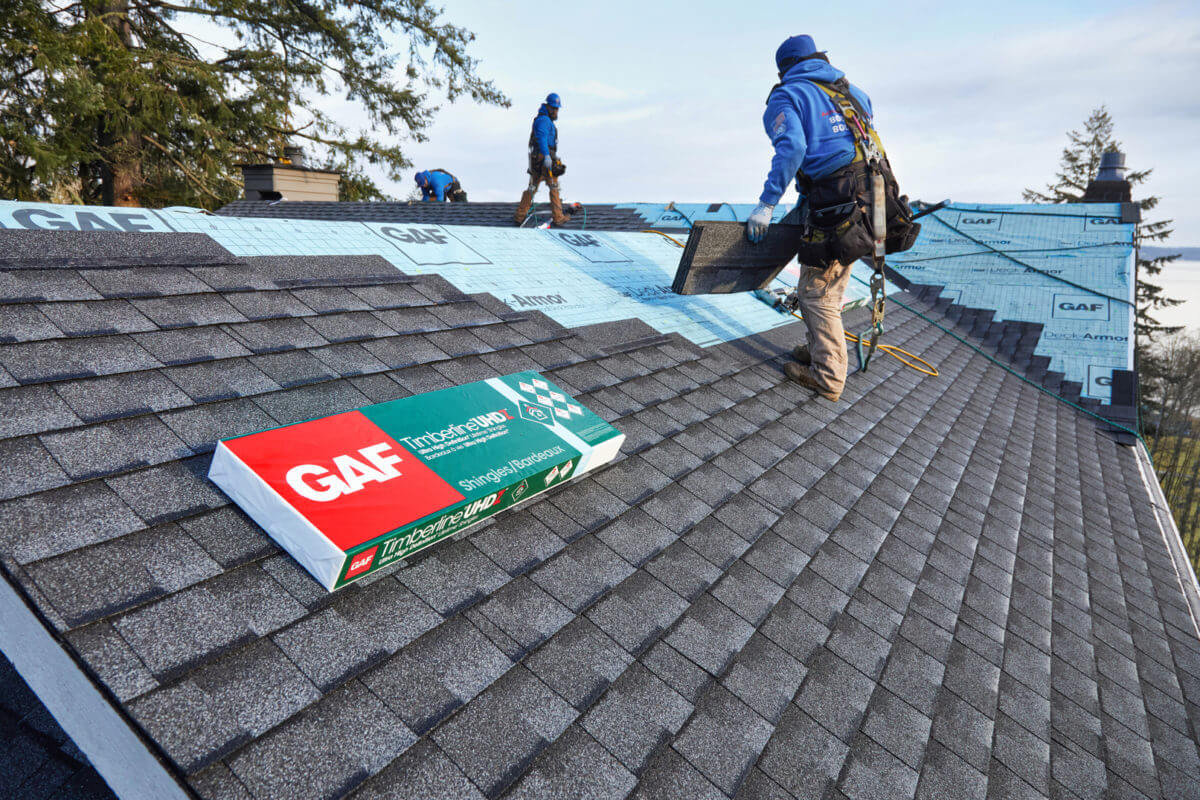
Roofing professionals often prefer moderate temperatures because shingles seal properly and installation conditions remain stable. Severe storms, extreme heat, or freezing temperatures can slow progress or delay projects.
Key Takeaway: The cost of roof replacement depends on timing, demand, and weather conditions. Planning your project during slower seasons can reduce wait times and improve pricing.
Seasonal Breakdown of Roof Replacement Costs
Each season presents different advantages and challenges for roofing projects.
Fall: The Best Balance of Weather and Pricing
Fall is often considered the best season for roof replacement.
Benefits include:
- Mild temperatures that support proper shingle sealing
- Lower contractor demand after summer projects
- More scheduling flexibility
Homeowners who schedule roof replacements during the fall often benefit from both stable weather and competitive pricing.
Winter: Potentially the Lowest Prices
Winter can sometimes offer the lowest prices of the year. Roofing companies may experience slower workloads and look to fill their schedules.
However, installation conditions may vary depending on temperature and weather patterns. Professional contractors use specialized techniques to install roofs safely in colder weather.
Spring: Demand Begins to Increase
Spring brings increased roofing activity due to storm damage and seasonal maintenance.
This often leads to:
- Higher demand for inspections and repairs
- Increasing contractor schedules
- Gradually rising project costs
Summer: The Busiest and Most Expensive Season
Summer tends to be the most expensive time for roof replacement.
Several factors contribute to this:
- Peak storm season in many regions
- High demand for roofing services
- Extreme temperatures affecting work schedules
Homeowners who wait until summer often face longer wait times and higher costs.
The Kansas City Factor: Weather and Roofing Demand
Midwest weather patterns strongly influence roofing demand throughout the year.
Storm and Hail Damage Drive Roofing Demand
Kansas City experiences seasonal storms that can damage roofs. Hail and wind events often lead to large numbers of insurance claims and emergency roof replacements.
When storm damage increases, roofing contractors quickly become booked.
Why Proactive Roof Replacement Saves Money
Planning a roof replacement before storm season provides several advantages.
- Greater contractor availability
- Less pressure to schedule emergency repairs
- Better opportunity to compare estimates
Homeowners who act early often avoid the rush that follows severe storms.
Pro Tip: Schedule a professional roof inspection before storm season begins. Early inspections help identify small problems before they become expensive repairs.
Need help planning your roof replacement? Contact Peak25 Roofing for a free consultation and professional roof inspection.
Other Factors That Affect Roof Replacement Costs
Seasonal timing is only one part of the overall cost. Several additional factors influence pricing.
Roof Size and Complexity
Larger roofs require more materials and labor. Complex roof structures also increase installation time.
Examples include:
- Multiple roof slopes
- Dormers or skylights
- Steep roof pitches
Roofing Materials
Different materials vary in price, durability, and lifespan.
Common roofing options include:
- Asphalt shingles: affordable and widely used
- Architectural shingles: thicker and longer-lasting
- Impact-resistant shingles: designed for storm protection
Ventilation and Structural Repairs
Roof replacements sometimes reveal underlying issues that must be addressed.
These may include:
- Damaged roof decking
- Poor attic ventilation
- Code-required upgrades
Professional inspections help identify these factors before installation begins.
Signs Your Roof May Need Replacement Soon
If your roof shows signs of damage or aging, waiting for the perfect season may not be the best option.
Watch for these warning signs:
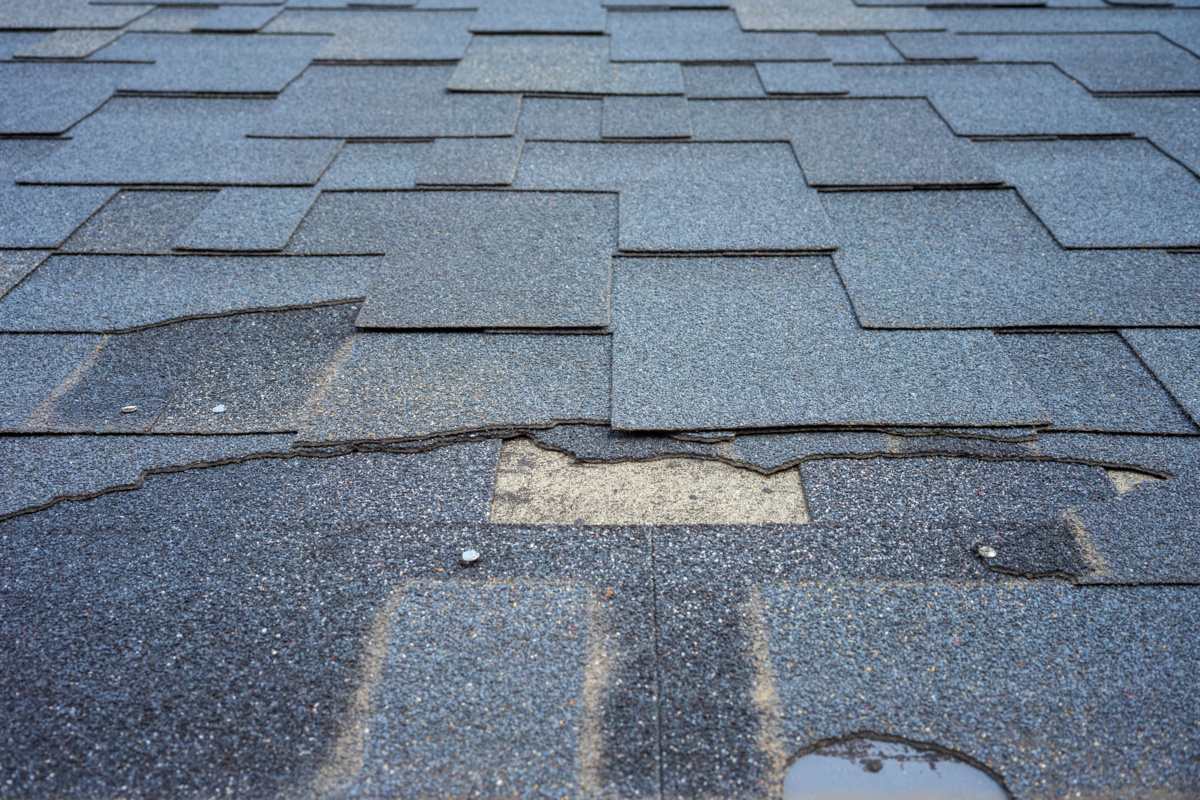
- Missing or curling shingles
- Granule loss on asphalt shingles
- Interior water stains or leaks
- Roof age approaching 20 years
- Storm or hail damage
A professional inspection can confirm whether repair or replacement is the best solution.
Why Homeowners in Kansas City Trust Peak25 Roofing
At Peak25 Roofing, we focus on high-quality installation and honest guidance. Our team works with homeowners throughout Kansas City to assess roof condition, recommend the right materials, and schedule projects efficiently.
We provide:
- Professional roof inspections
- High-quality roofing systems
- Storm damage expertise
- Reliable installation backed by experience
If you are planning a roof replacement, timing matters. Our team can help you evaluate your roof condition and determine the cheapest time to get a new roof while ensuring the job is completed correctly and safely.