

Gutter guards really do work for most Kansas City homes. They block leaves and twigs, cut down on clogs, and save you trips up the ladder. They still need occasional upkeep, since fine debris like shingle grit and seed pods can collect over time. Results depend on the guard type, the trees around your home, and the quality of the installation. Below, we cover the real pros and cons so you can decide with confidence.
What Do Gutter Guards Actually Do?
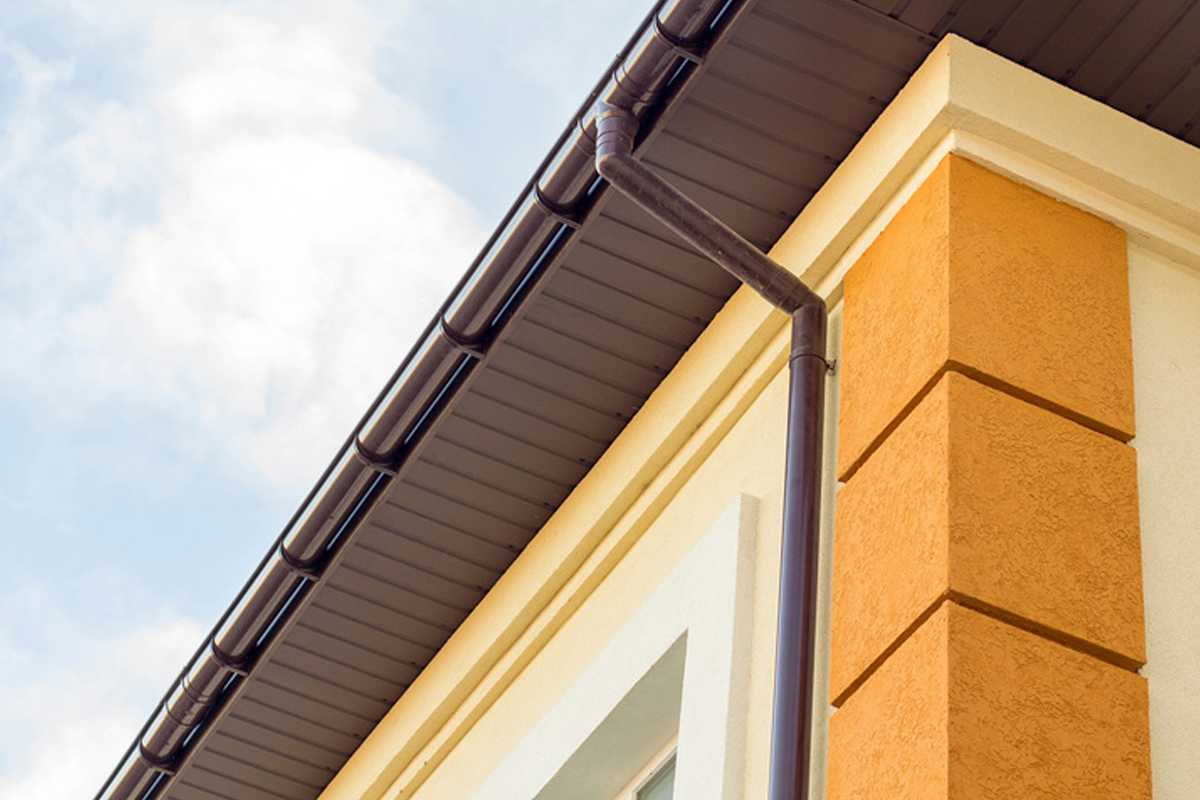
Gutter guards cover the open top of your gutter. They let rainwater in and keep larger debris out, so water keeps flowing toward your downspouts.
That matters because a clogged gutter overflows. The water soaks your fascia, runs down your siding, and pools near your foundation. We explain that chain of damage in our post on how your gutters and roof could be flooding your basement.
Types of Gutter Guards and How Well Each Works
| Type | Blocks Well | Struggles With | Upkeep |
|---|---|---|---|
| Screen | Large leaves | Seed pods, shingle grit | Moderate |
| Micro-mesh | Leaves, most needles and seeds | Fine grit and pollen film on top | Low |
| Reverse-curve | Leaves | Heavy downpours | Low to moderate |
| Foam insert | Large leaves | Trapped grit, sprouting seeds | High |
| Brush insert | Large leaves | Small debris, pine needles | Moderate |
For homes with heavy tree cover, stainless steel micro-mesh is widely considered one of the strongest options for filtration and durability.
Pro Tip: Choose metal over plastic. According to Angi, plastic and vinyl gutter guards don’t work as well in Kansas City because they’re more easily damaged.
Gutter Guard Pros and Cons
The Pros
- Fewer cleanings. You spend far less time on a ladder scooping wet leaves.
- Lower overflow risk. Clear channels move water away from your siding and foundation.
- Fewer pests. Covered gutters give birds, rodents, and mosquitoes fewer places to nest or breed.
- Longer gutter life. Decaying leaves hold moisture against the metal and add weight that strains hangers.
The Cons
- They still need upkeep. Fine grit, pollen, and small seeds collect on or under the guard over time.
- Overflow in heavy rain. Fast, intense downpours can send water over some guard styles before it drains.
- Winter ice buildup. Snow and ice can sit on top of guards and add weight to your gutters.
- Upfront cost. Professional systems cost more than cleaning gutters yourself.
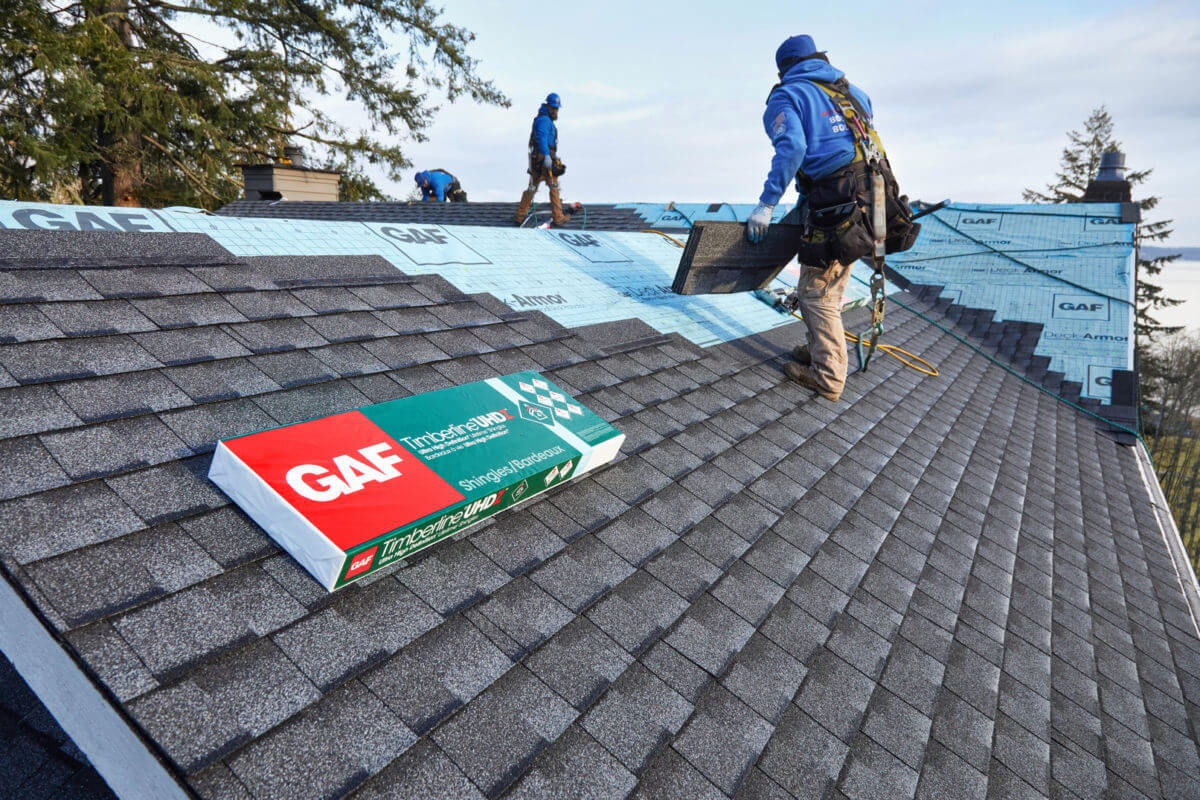
- Roof damage from poor installation. Some guards slide under the first row of shingles. Lifting shingles can w and weaken wind resistance. Some shingle manufacturers also limit warranty coverage for damage caused by attachments, so check your warranty terms before any guard goes under your shingles.
Key Takeaway: Installation quality matters as much as the product. Ask any installer how the guard attaches and whether it touches your shingles.
Do Gutter Guards Really Work in Kansas City?
Mature Trees
Kansas City has a lush, mature tree canopy, and gutters can clog with everything from seed pods and pollen to autumn leaves. Oak catkins, maple seed “helicopters,” and cottonwood fluff slip through basic screens. Sweetgum balls tend to pile up on top. Micro-mesh filters out most of this debris.
Heavy Storms
Our spring and summer storms drop a lot of rain in a short time. Fast-moving water can overshoot reverse-curve guards in these storms. Properly sized gutters and downspouts matter just as much as the guard on top.
Freeze and Thaw Cycles
Ice dams start in the attic. Heat escaping through poor insulation or ventilation melts snow higher on the roof, and the water refreezes at the cold edge. Guards can also make it harder for melting snow to drain, so proper attic ventilation is worth checking before winter.
Clay Soil
Much of the metro sits on clay-heavy soil that expands when wet and can damage your foundation over time. Gutters that drain freely help keep that water away from your foundation.
Are Gutter Guards Worth It for Your Home?
They’re Worth It If
- Trees hang over or near your roof
- You have a two-story home or a steep roof
- Ladder work isn’t safe for you
- Your gutters clog more than twice a year
You Can Probably Skip Them If
- No trees sit near your home
- You have a single-story home and clean gutters easily
- Your gutters are sagging, leaking, or rusted (see how to tell if your gutters need replacement)
Pro Tip: Replacing gutters soon? Plan for guards at the same time so the gutter size, hangers, and guard style all work together. Our guide on seamless vs. sectional gutters can help you choose.
How Much Do Gutter Guards Cost?
Angi reports that most gutter guard installations in Kansas City, MO, cost $4 to $10 per linear foot. Your price depends on:
- Guard type and material
- Roof height and pitch
- Gutter size and total length
- Whether your gutters need cleaning or repairs first
An on-site quote is the only reliable number for your home. For full system pricing, see our breakdown of gutter installation and replacement cost.
Need expert help with your gutters? Contact Peak25 Roofing for a free 25-point inspection. Our team checks your gutters, downspouts, and roof edges on every visit.
How to Maintain Gutter Guards
- Check after major storms. Look for debris piled on top or water spilling over the edge.
- Brush or rinse the surface every one to two years. A soft brush clears pollen film and grit from mesh.
- Flush your downspouts. A garden hose confirms water flows freely to the ground.
- Watch for shingle granules. Some granule loss is normal on a new roof. Heavy buildup on an older roof can point to aging shingles worth having inspected.
Frequently Asked Questions
Do Gutter Guards Really Work With Pine Needles?
Micro-mesh handles pine needles best because its small openings keep most needles out of the gutter. Some needles can still collect on top and may need to be brushed off.
How Long Do Gutter Guards Last?
Lifespan depends on material and installation. Metal guards generally outlast foam and plastic, which break down faster under sun, ice, and heat. Check the manufacturer’s warranty for a clear benchmark.
Can You Install Gutter Guards on Existing Gutters?
Most guard types can be installed on existing gutters in good shape and properly pitched. Some reverse-curve systems require new gutters. Have your gutters cleaned and inspected first so you aren’t sealing in old debris or covering damage.
Protect Your Gutters and Roof With Peak25 Roofing
Gutter guards save time and reduce water damage when the right type is installed the right way. Your trees, roof pitch, and gutter condition decide which option fits.
Book your free 25-point roof inspection today. We’ll look at your trees, roof, and gutters, then show you what gutter guards really do and whether they’ll work for your home.