

A brown ceiling stain is usually the last warning sign of a roof leak. When water gets under shingles, what happens next is easy to miss: it can soak the underlayment, decking, and insulation for weeks or even months before it reaches your living space.
By then, repairs are often bigger than they needed to be. Below, we explain how that damage spreads, how to spot it early, and what Kansas City homeowners should do next.
How Water Gets Under Your Shingles
Shingles shed water well when they lie flat and stay sealed. Problems start when something lifts, cracks, or blocks that path. These are the most common causes around Kansas City.
Wind-Driven Rain and Hail Damage
Strong storms push rain sideways and up under shingle edges. Hail can crack shingles and knock loose the granules that protect them. Once a shingle’s seal strip breaks, the next storm can lift it even further. Our team offers storm restoration for this kind of damage.
Ice Dams and Clogged Gutters
In winter, heat escaping from the attic melts snow on the upper roof. That water refreezes at the colder eaves and forms a ridge of ice, which traps meltwater and forces it under the lower rows of shingles. Overflowing gutters cause a similar backup at the roof edge in any season.
Failed Flashing and Pipe Boots
Flashing is the metal that seals joints around chimneys, skylights, walls, and valleys. When it rusts, pulls loose, or is installed poorly, water slips past it. Pipe boots, the rubber collars around plumbing vents, also crack with age and are a common source of small leaks.
Pro Tip: After any hail or high wind event, walk your property and look for shingle pieces on the ground, granules in the downspouts, or dented gutters.
What Happens When Water Gets Under Shingles: The Damage Path
Water follows gravity once it gets past the shingles. It often travels along the roof framing before it drips, so the stain on your ceiling may sit several feet away from the actual entry point.
The Underlayment Gets Saturated
The underlayment is your roof’s backup water barrier. It handles occasional moisture well. Repeated soaking can cause felt underlayment to wrinkle and tear, and water can seep through the nail holes in felt and many synthetic underlayments.
The Roof Decking Starts to Rot
Next, water reaches the decking, the plywood or OSB (oriented strand board) panels under your shingles. OSB tends to swell at the edges and often stays swollen after it dries. Over time, wet decking can soften and lose its grip on roofing nails.
Insulation, Ceilings, and Mold
Water that gets through the decking can drip into the attic insulation. Wet insulation compresses and loses much of its insulating value. From there, moisture can reach drywall and cause stains, bubbling paint, and sagging ceilings.
Damp, dark attics also invite mold. The EPA advises drying wet building materials within 24 to 48 hours to help prevent mold growth.
Structural Damage Over Time
If a leak continues for months or years, moisture can rot rafters, fascia boards, and ceiling joists. At that point, a fix that once involved a few shingles can turn into decking replacement or a new roof. Caught early, many leaks are straightforward repairs.
Key Takeaway: Much of the damage from a roof leak can happen before you see water indoors. Early detection helps keep repairs smaller.
Signs Your Roof May Be Letting Water In
From the Ground
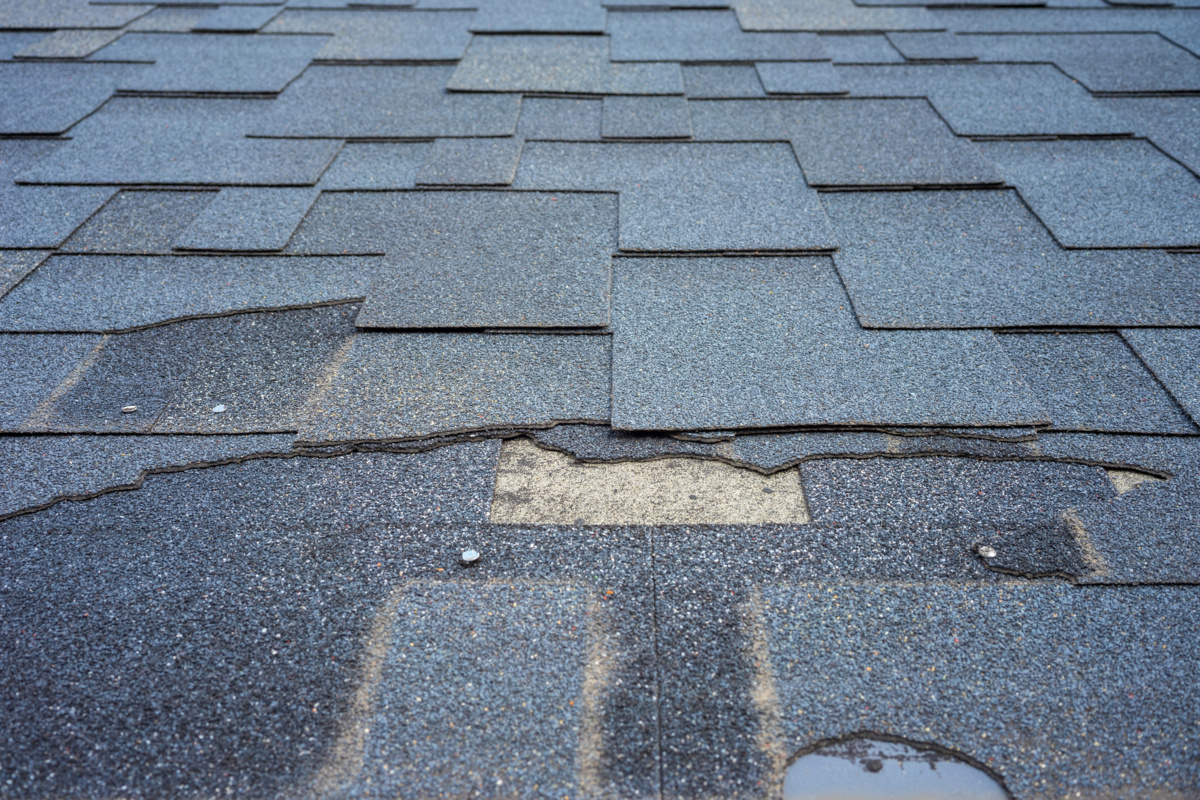
- Curled, cracked, or missing shingles
- Heavy granule buildup in gutters
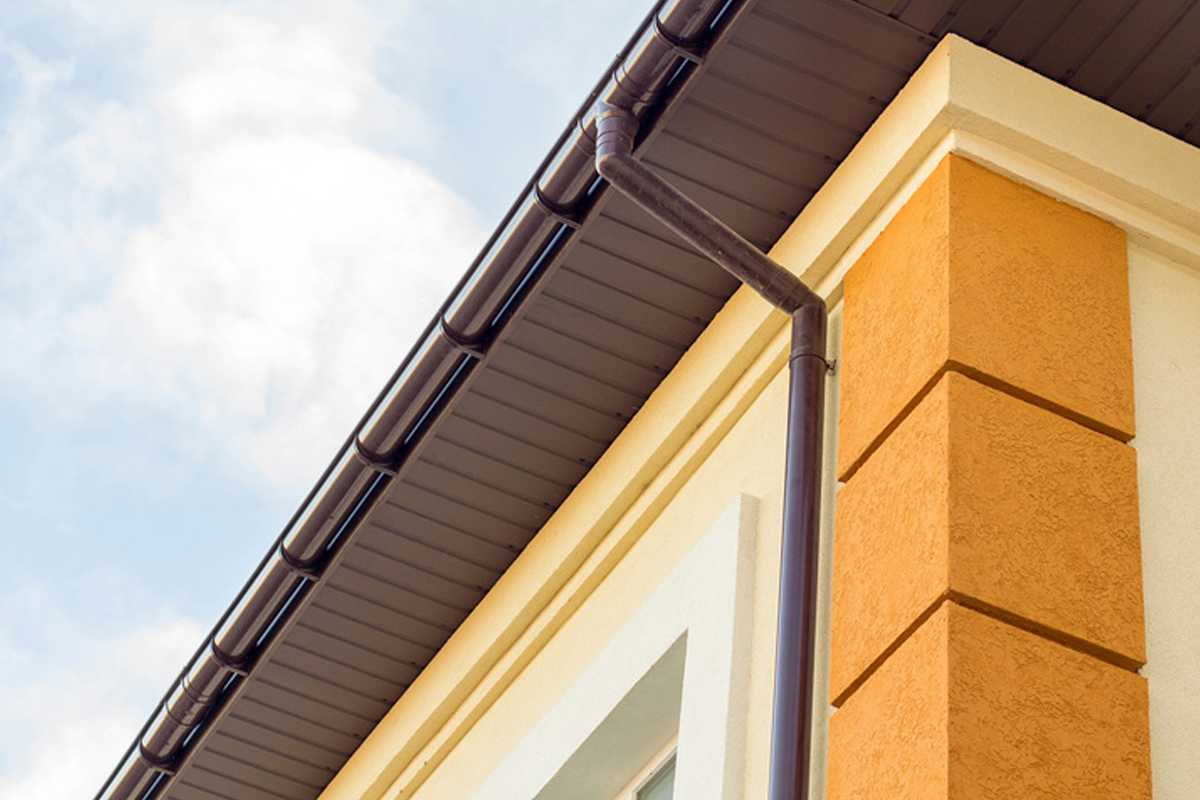
- Dark streaks or rot on fascia boards
- A roofline that dips or sags
In Your Attic
Bring a flashlight after a heavy rain, step only on the framing joists, and check for:
- Water stains or dark rings on the decking
- Damp, matted, or discolored insulation
- Frost on nail tips in winter (a sign of moisture or ventilation problems)
- A musty smell
Inside Your Home
- Brown or yellow ceiling stains
- Peeling paint near the ceiling line
- Bubbling or sagging drywall
Need expert help with a possible roof leak?Contact Peak25 Roofing for a free 25-point roof inspection, and we will walk you through what we find.
What to Do If You Find Water Under Your Shingles
- Contain the water safely. Set out buckets and move belongings away from drips. If water is near a light fixture, outlet, or wiring, keep clear of the area. Only switch off that circuit at the breaker if you can reach the panel while standing on dry ground. If the panel or floor around it is wet, stay away and call a licensed electrician.
- Document everything. Take dated photos of stains, the attic, and any visible roof damage.
- Stay off the roof. Leave tarping and roof access to a professional.
- Check your insurance policy. Coverage varies, so review your policy or ask your agent if storm damage is a possibility.
- Schedule an inspection. A trained roofer can trace the leak to its true source.
Pro Tip: When it is safe to do so, photograph damage before any cleanup or temporary repair. Adjusters generally want to see the original condition.
Should You Repair or Replace Your Roof?
When a Repair Makes Sense
A roof repair is usually the right call when the problem is isolated, such as a cracked pipe boot, a section of failed flashing, or a few missing shingles on a roof with years of life left.
When Replacement Is the Better Investment
Replacement often makes more sense when soft decking covers large areas, leaks keep coming back, or the roof is near the end of its lifespan. As a GAF Master Elite® Contractor, we install complete roofing systems with an ice and water barrier, synthetic underlayment, drip edge, and balanced ventilation. New roof installations are backed by our 25-year workmanship warranty, and PeakPay financing is available for qualifying homeowners.
How to Keep Water From Getting Under Your Shingles
- Clean gutters in spring and again after the leaves drop in fall.
- Check your roof from the ground after every major storm.
- Make sure your attic has proper insulation and ventilation to reduce ice dams.
- Trim branches that hang over or rub against the roof.
- Schedule a professional roof inspection once a year and after major storms.
Frequently Asked Questions
Can Wet Roof Decking Dry Out on Its Own?
Lightly damp decking may dry if the leak stops quickly and the attic is well ventilated. Decking that stays wet or feels soft usually needs to be replaced.
What Happens When Water Gets Under Shingles and Is Never Fixed?
The damage tends to spread from the decking into the framing and attic, and repairs usually grow more involved with every storm.
Protect Your Home Before a Small Leak Grows
Water under your shingles rarely stays a small problem. Catching it early helps protect your decking, your attic, and your budget.
Peak25 Roofing serves homeowners across Lee’s Summit, Kansas City, Overland Park, and nearby communities. Contact us to book your free 25-point inspection. When water gets under your shingles, our team will find the source, explain what happens next, and recommend the right fix.